Neptune: how we bring something larger to life
“I was told that this road would lead me to the ocean of death, and halfway along I turned back. Ever since, all that stretches before me is a tangle of winding, desolate paths.”
— From Arkady and Boris Strugatsky’s novella One Billion Years Before the End of the World.
Sometimes a person stops. They stop striving for something they have pursued for years. They make no new plan and offer no explanation of what they will do next. From outside, it looks as though they have given up: so much effort, and then suddenly silence.
But that silence can be full of life. A conversation comes back to them; familiar music sounds different; they notice what they used to pass by. Outwardly, they barely move. Inwardly, the whole arrangement of things begins to shift: what mattered most, what seemed obligatory, what they once thought they could not live without.
The old road may truly have ended. Yet what drew them along it is still alive. For now, it has no clear name and no obvious way forward.
This is one way to approach Neptune: through a situation in which its work becomes especially visible. But an old road does not have to end first. Someone may pick up an instrument for the first time, open a school, or help strangers begin a conversation. We are interested in how they sustain, develop, and create the concrete things through which something larger lives: music, relationships, shared work. Inspiration may accompany this work; the work itself appears in what the person helps bring about.
The person who stopped walking
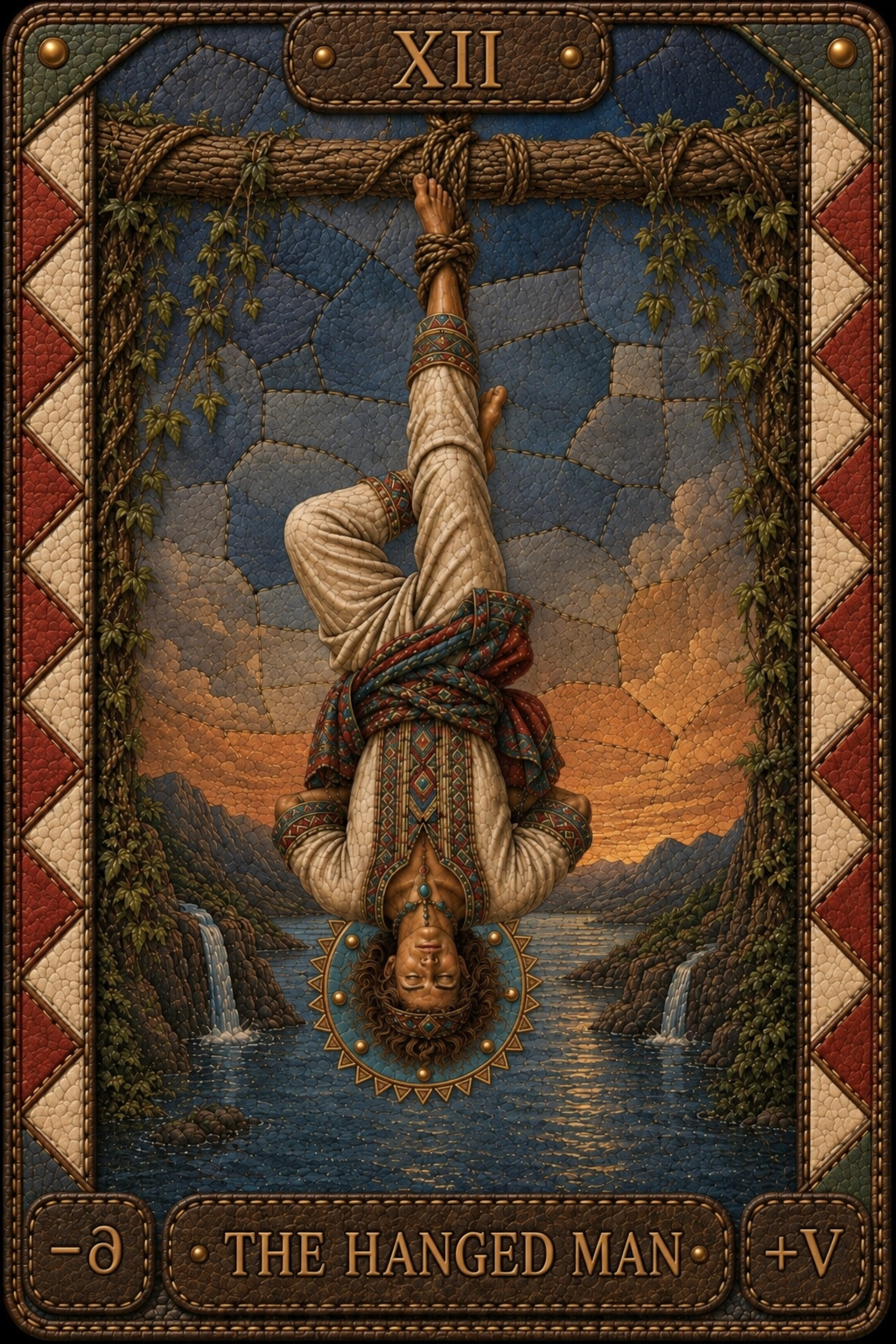
In the language of Tarot used here, Neptune corresponds to the Hanged Man. One leg is tied to a beam. His head hangs down. He cannot stand up and go where he meant to go. The very position from which he is used to seeing the world has been turned upside down.
There is a standstill in this image that a person of action may find hard to accept. The urge is to get free at once, find a way around, make one more effort. The card holds us instead at the moment when the familiar kind of effort no longer helps.
Memory, imagination, the ability to listen and feel are still there. Old encounters surface. A chance remark suddenly matters more than a grand plan. The life that seemed for years to be the only possible one begins to separate from the reason for living it.
You can love music all your life and believe that love must find expression on stage. You can love someone and be certain that closeness requires their daily presence. You can care deeply about a shared undertaking and be unable to imagine it without a familiar house, a name, a routine.
When the familiar becomes unavailable, at first it feels as though everything has gone. It takes time to hear that the music is still sounding. Closeness is still possible. The work still speaks to you, although you do not yet know how to return to it.
This inner work can resemble a slow alchemy. What has been lived through begins to combine differently. Hurt no longer obscures the whole conversation. Out of a dream that never came true emerges what was genuinely yours within it. Your way of seeing changes, and with it comes the possibility of recognizing your own life where you once saw only an inadequate substitute.
A pause makes this process particularly visible. But it is also familiar to people who keep working: a translator seeking a different way for a sentence to sound; a parent getting to know a grown child anew; a craftsperson whose old material no longer serves. The hands may remain busy while, inwardly, the idea of what the work should look like is changing.
Sometimes there is simply nothing more you can do in a particular direction. Every road seems closed. To move on, your perception and your whole view of the world need to change. The Hanged Man thus helps us see one situation in which Neptune works: outward movement toward the goal disappears, but inward movement and alchemy remain.
The person does not lose the goal or their connection with it. They recognize that it is time for serious inner work—or to let the question rest for a while. Sometimes a whole sequence of seemingly unrelated events has to unfold: encounters, conversations, impressions. Together, they gradually alter the way of thinking about the world that had made any continuation impossible to see.
This continuing life need not yet have found a new outward form. Marina may not be teaching, but she can listen to a piece, return to a difficult passage and hear the connection between musical phrases differently. Musical work is already present in that silence. Yet a pause does not become such work merely by being a pause. Sometimes a person does little more than replay an image of the stage they have lost. It matters, then, to listen for what is still alive: a relationship with music, or only the demand that the old life return unchanged.
When the road changes, the immediate goal can change too. The former concert and the future lesson are different activities. What drew Marina to music can connect them. Recognising that connection does not make all activities interchangeable, or promise in advance that a new form will necessarily be found.
How a distant planet acquired an inner life
Jupiter has thousands of years of observation behind it. Neptune entered the human picture of the sky much later. It cannot be seen with the naked eye. In 1846, Johann Galle found it using Urbain Le Verrier’s calculations: the motion of Uranus had betrayed the presence of an unknown planet. First came a trace of something else being there; only then did the planet itself come into view.
It is a telling beginning for this story: something is already present although our accustomed way of looking cannot yet make it out. But Neptune’s astrological image did not arrive fully formed with the first observation. It still had to be assembled.
The new planet was named after the sea god. The sea offered the imagination depth, distance and a hidden life below the surface. Yet ancient stories about Neptune and Poseidon were not interpretations of this planet. Its astrological history begins in a world that already knew telescopes and printed handbooks.
By the end of the nineteenth century, attempts were being made to describe its place in a horoscope. The historian of astrology David McCann points to John Ackroyd’s work, included in the 1890 reissue of Simmonite’s handbook. Ackroyd sought the new planet’s meaning by comparing birth charts. Its maritime name was only one possible clue: astrologers were trying to identify a kind of human experience that had not yet found a clear name of its own.
By the early twentieth century, Neptune already had very different faces. In Sepharial’s handbook published in 1920, inspiration and unusual gifts appear alongside entangled circumstances and deception. A person moves beyond ordinary understanding—but where have they gone? Have they seen something previously unnoticed, or believed in something that is not there?
Another voice sounds at almost the same time. In the 1918 edition of Max Heindel and Augusta Foss Heindel’s The Message of the Stars, the Neptune chapter is headed “Neptune, the Planet of Divinity.” The title alone shows how far the interpretation has traveled from a merely maritime image. Here Neptune turns toward spiritual life and the experience of connection with something greater than a single person.
These strands continued side by side. One Neptune promised inspiration and access to the unseen. Another warned of being dazzled, deceiving oneself and losing the ground beneath one’s feet. They shared a difficulty: the depth of an experience does not tell us how accurately we have understood what is happening.
Later, the language of psychological experience became especially prominent. In it, Neptune is associated with dreams of ideal love, compassion, art and the desire to move beyond a confined, separate self. It is often called the higher octave of Venus: personal affection seems to widen into a love for which a single beloved face is not enough. Philip Graves, for example, conveys this understanding in his overview of the planet’s meanings.
In our approach, Neptune is not an intensified Venus. Venus concerns what a person values and prefers; Neptune concerns the work through which something larger gains a concrete life. Loving music and helping it sound through a student's playing are different aspects of experience. We therefore do not adopt the historical image of the “higher octave” as a definition of Neptune.
Joanna Watters describes Neptune through merging and the disappearance of familiar boundaries. In love, another person no longer feels far away. In empathy, their pain is taken to heart. But afterward we have to learn again to distinguish people, their wishes and their capacities. Otherwise, the dream of unity starts requiring someone else to stop being themselves.
Modern popular guides, including those by the AstroTwins, still place dreams, fantasy, compassion, inspiration and escape from reality alongside Neptune. Both sides of the old image remain: life may deepen, or it may disappear behind a beautiful veil.
Gradually, Neptune comes to be associated with an experience we know very well. Our inner world can be larger than the life we have so far managed to build outside. People, projects, melodies and hopes continue to live there. Sometimes a return to life quietly ripens in that space. Sometimes it is also where we hide from life for years.
Marina can still hear the music
In Where Astrology Comes From, there is a story about a pianist named Marina. After an injury, her old concert life becomes damaging. She can still get through a single evening. Repeating such evenings grows harder and harder.
In the article on Jupiter, we looked at the roads opening and closing before Marina. Here, something else matters: what happens to music in her life while the familiar road is closing?
She is offered teaching, recording work, arranging. She understands the words. But teaching may feel like proof of defeat: real life happened on stage; this is what people offer someone who could no longer make it.
Let us take the scene in the book a little further. Imagine Marina at home, when nobody expects her to perform. She listens to a recording. Notices where a phrase breaks off too soon. Returns to it in her mind. Hears how the music might carry on.
There is no concert now, no poster with her name on it. But her ear, her attention to the piece, her feeling for musical movement have not gone anywhere. All of it continues to work, even while she cannot yet give a name to the person she is becoming.
At first, this return may be painful. Every phrase reminds her of what she can no longer do. Gradually, another side of the same experience begins to show itself: if music still touches her so deeply, then her relationship with it did not end when the old performance schedule ended.
At a trial lesson, a student plays a passage. Marina notices that he cannot hear the connection between two musical phrases. They return to the beginning. Try another way. And suddenly, in someone else’s playing, she hears what brought her to the piano for all those years.
It is a small moment, much quieter perhaps than applause. Yet this is where teaching stops looking like a consolation offered in place of her real life. Marina recognizes her musical life within it.
It is more than a familiar surge of feeling. Marina once again hears how one phrase calls for another, distinguishes an ending made too soon from a movement still waiting to continue, and helps the pupil return to that passage. A particular relationship with the piece has remained alive in her work. Remembering applause could also stir a powerful feeling. That feeling alone would not show what is continuing in the lesson.
She has not merely renamed a loss as a gain. Her concert career may really be over. Bitterness may remain; her old income and recognition may not return. And yet music has found another voice in her life: what matters to her now sometimes sounds through someone else’s hands.
The whole perspective changes. Once, “being in music” meant that she herself had to stand before an audience. Now Marina recognizes the same living relationship with a piece in working alongside another person. It took more than a list of available professions to make this possible.
Jupiter helps us see whether she can now make a life of teaching: whether there are students, time and work she can manage. Neptune is heard in what has continued for her within that work. Someone can gain many new opportunities and leave music behind. Someone else can have only one student and discover that music has a real place in life again.
Nor does the old mood have to return. The Moon helps Marina grow accustomed to her changed days, take fatigue into account and respond differently to difficulties. She may feel nothing like she did on stage, and still recognize: this is my work.
Andreev’s inner navigator
In Pavel Andreev’s writing, Neptune is particularly vivid where ready-made instructions stop explaining life. Astrology 2.0 includes a chapter with the everyday title “What Does Neptune Get Paid For?” The discussion of a mystical planet suddenly moves into work, dealings with clients and relationships within a team.
Andreev describes someone who is no longer wholly at the mercy of the bustle outside. They do not catch every wave of anxiety or rush to answer every objection. An inner distance opens, from which the situation can be felt differently.
Another of his images is an inner navigator. Accumulated experience seems to be reworked somewhere beyond a prepared plan. Faced with a real problem, a person finds a solution that is not in the textbook example. Andreev also writes of a manager who can sense an employee’s abilities and find the conditions in which they will unfold; of a chef, a perfumer or a designer whose work calls for a finely tuned sense of things.
The connection with the Hanged Man is clear here. The habitual way of responding temporarily steps back. The person stops immediately forcing a new situation into a familiar explanation. What they have already lived and learned gets a chance to come together differently.
Let us place an example of our own beside these descriptions. The head of a music school notices that the students have stopped listening to one another. Everyone dutifully prepares for exams; everyone tries to play better than the others. One could add another report, another rehearsal. Or one could first notice that the reason the school was founded has been slowly draining away.
He remembers lessons in which children picked up one another’s melodies, asked questions and argued about how something sounded. Suddenly, he understands why a small collaborative project matters more now than another competition. The new decision grows out of what remained alive in his relationship with music, even though the ordinary school timetable had stopped expressing it.
Andreev uses many words about inspiration and shared belief in connection with Neptune. Yet an inspiring speech can either bring people back to the work or obscure it. You can endlessly repeat that the team is one family and stop noticing how the people in it actually live. You can say very little and arrange the work so that someone once again feels truly involved.
The feeling may be equally strong in both cases. The difference emerges in what happens afterward to people’s relationship with the work and with one another.
Between inspiration and a beautiful substitute
A writer puts a manuscript away. For weeks, he has done nothing but move paragraphs around and make the story worse. Now it looks as though the work has been abandoned. Yet on the way home, in an overheard conversation, in a casually noticed gesture, the story keeps coming back to him.
After a while, he realizes that he began with the wrong person. The events can stay almost as they are; the story needs to be told from somewhere else. What never came alive through endless corrections suddenly begins to speak. The story was living inside him while his way of seeing it changed.
Neptunian inspiration becomes easier to understand this way. Sometimes we cannot yet explain a solution step by step, but already feel how separate things belong to one story. The words will come later. For now, a few lines are enough to hear its voice again.
Yet the same familiar excitement can also come from a beautiful falsehood. Someone spends years imagining a future book, while the people they meant to write about become less and less interesting to them. What they love now is their own image as a great writer. The original story quietly disappears behind it.
At first, inspiration and this kind of substitution can be hard to distinguish. Over time, we can begin to see whether the inward movement brings a person back to what moved them. Have they begun to hear the character more clearly? Recognised a loved one behind unfamiliar behavior? Found a way to continue work that has outgrown its old arrangements?
This is where the luminous and the difficult sides of Neptune’s history meet. Imagination lets us relinquish the one familiar shape of a life. It can also replace life so convincingly that there seems no further need to notice life itself.
For closeness to continue, we may have to stop demanding that someone play their old role. But a dream of unconditional love can also turn into a demand to endure absolutely anything. A good family story brings people together; a convenient family myth may force them to stay silent about what is happening to them. What helps people live gradually reveals itself in their actual relationships.
It is worth saying in advance what will appear in the articles on the signs. Each of the six axes we will discuss has a name in psychology, more than one. Learned helplessness and groupthink, burnout and introjects, rumination and moral injury, the false self and stagnation: all have been described, all have their authors and research. Psychology found these points separately, as distinct troubles in different fields. Here they emerge as six positions of one planet, six ways in which the whole a person belongs to fails to reach their life. The beautiful substitute discussed above also has a name. John Welwood called it spiritual bypassing: words about something higher used to avoid doing what it requires. What psychology does about these six points, and what the axes add to its plans, is discussed in Six Problems That Already Have a Plan.
Twelve signs, twelve situations for Neptune's work
In every sign, we ask how something larger comes to life through a person's concrete participation. The sign establishes the situation: a first step, a familiar performance, a conversation, the organization of a school. Neptune's work is to sustain, develop, or create what lets music, relationships, or shared work live here. Sometimes this involves preserving them through change. Sometimes participation begins for the first time. For an overview first, see Neptune: Eternal Contexts.
The elements help us feel the differences. Earth brings us back to things and the practical arrangements of everyday life. Water concerns what connects and fills that life. Fire turns toward beginnings, our own voice and direction. Air concerns relationships between people who can remain different and still understand one another.
Neptune does not therefore lead everywhere into silence and reverie. Sometimes an inward change becomes visible in a very precise recipe, a clear agreement or a decisive first act. Let us explore these differences through small stories.
Neptune in Aries
Marina decides to open a music school with her own approach to teaching. She wants people to learn to listen, seek expression, and play together. Now she must give this intention its first address, its first invitation, and its first lessons.
As long as it is only a wish, the school has not begun. Marina sets out her approach, prepares a program, arranges premises, and invites teachers to join her. Then she announces the first intake. People now have a real invitation they can respond to. The first class takes place. Something has begun in the world of music that did not exist before these steps.
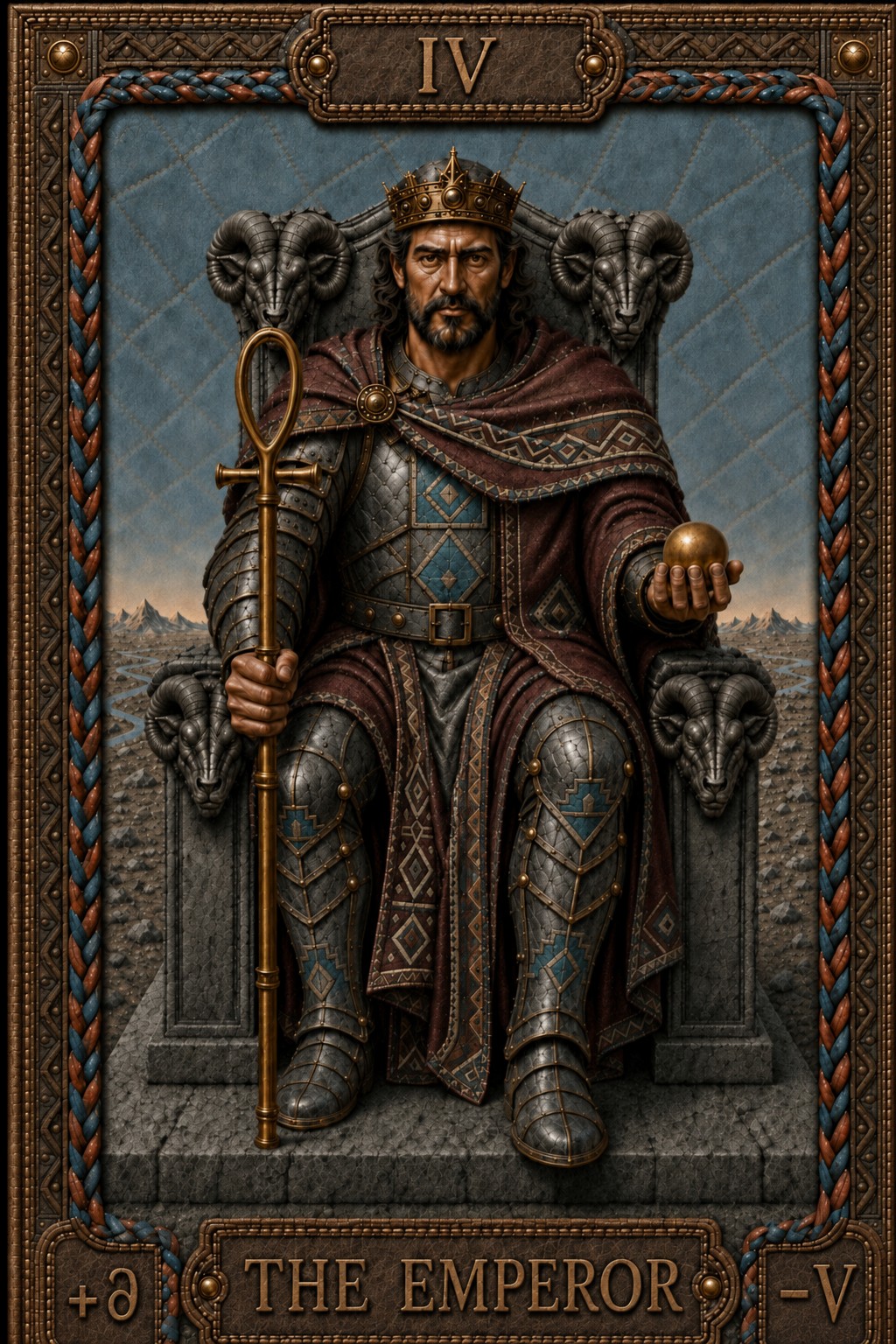
Aries brings this turning point into focus: before the first action, everything could still have remained an intention; afterward, something new has happened. Neptune’s work is to make that step a living expression of something larger. Marina starts the school as a musician and a teacher, someone who belongs to the life of music and wants to help it grow.
Opening a room and calling it a music school is therefore not enough. Marina works out how her approach will come alive in lessons: how to help students hear the music, explore it, and begin to play; how to pass her way of teaching on to other teachers. The program, the first invitation, and the first lessons have to give people a real way into music.
In Pisces, we looked at participation in, and contribution to, the life of music—the ensemble student and Marina beside him. In Aries, we look at how Marina herself takes an initiative in that life. She invests in the school’s first steps so that music has another way to live, another circle of participants. These are different perspectives: the school’s later work can also be examined as participation in the life of music. Here, however, we are concerned with its beginning.
So Neptune in Aries asks: who are we when we take this first step? What larger whole are we acting on behalf of? Marina has no mandate to represent all of music. Through her work, she makes this particular initiative a way of participating in its life. Music has long played a part in Marina’s story; now, through a new action, Marina begins to play a part in music’s story.
Similarly, an elected representative prepares a legislative proposal to express constituents’ hopes and interests, while an ambassador opens negotiations to advance the interests of a country. Those people and that country may already fill their working day. But what action of their own makes a difference to the lives of those they represent? The question is whose interests actually find expression in that first step. It could also be a narrow lobbying group.
The place your profession has in your life is one thing. The part you play in the life of your profession is another. Hence the question: what new thing am I prepared to do in the life of something I am part of?
Neptune in Aries — your first step on behalf of the larger whole you are part of.
This is a condition, not an ornament: those seeking a connection with the same larger whole respond to the step. Marina opens the school as a person of music, and people who want to be part of music come. Had she opened it on behalf of a business, the announcement would have been the same, but no response would have come. Without Neptune at work, the work would not have taken off. Through this act, something larger finds a new expression, and the person actively enters its life.
Further reading: “Neptune in Aries: the age of active representation”.
Neptune in Taurus
Marina’s student has prepared a piece for a concert. He knows the notes and has practiced the difficult passages. In the classroom, he plays confidently; the music is clear and flows naturally.
But at the rehearsal in a large hall, everything sounds different. The sound lingers as it bounces off the walls. Earlier chords are still ringing when he plays the next ones. The melody gets lost in the wash of sound. He stops: it all worked yesterday.

Marina asks him to play a few measures and listen to how long the piano keeps ringing. Then they try releasing the pedal earlier and playing the accompaniment more lightly. Gradually, he finds a sound that lets the melody come through clearly without losing the music’s flow.
Marina teaches him to listen to what he is producing and decide for himself what needs to change. His fingers already know their work. Now he can pay closer attention to the music and use what he has learned more freely.
This is where improvisation comes in: a slight change of movement, a softer touch at the right moment, a feel for how long to pause. The notes stay the same, but the performance comes to life here, on this piano, in this hall.
No written score can anticipate every such detail. The musician has to find it. He hears how he wants to play and works toward that sound.
This kind of mastery impresses us with both its precision and its freedom. Years of practice lie behind it, yet the performance itself feels inspired. The desire for perfection makes the musician listen more closely and keep searching, until the music sounds the way he wants it to.
The piece is larger than today’s performance. It lives in different interpretations, and here it has to sound through this student and this piano. Marina does not show him which keys to press. She asks whether the melody is audible, has him compare two performances, and waits for him to hear the difference himself. She is passing on not a technique but what matters here; the ability to find the right movements follows.
Neptune in Taurus — making the larger whole you are part of a part of other people’s lives.
You can only pass on what you live by. The master has something to sow because it lives within them and bears fruit. This is the axis with Scorpio, where Marina ensures that what is alive in the school does not leave with a person.
Mastery is not reserved for the gods. The Hierophant is the one who shows what matters, and people begin to value it and bring it about for themselves. This is how music becomes part of the student’s life: he can now listen to the conditions of a hall and seek the sound he needs, because he knows what he is aiming for.
This is how Taurus connects with Virgo. In Virgo, something larger becomes part of your life—Anton, who stayed for the music. In Taurus, you make it part of other people’s lives. The Hermit discovers; the Hierophant passes it on. The pairing with Scorpio is different: there Marina sustains the life of music within the school’s work; here she brings music into a person’s life.
Further reading: “Neptune in Taurus: Mastery and Improvisation”: a musician, a cook, an actor, and a teacher—what matters in their work, and how it becomes part of other people’s lives.
Neptune in Gemini
“Is there any point in learning to play at all?” a pupil asks Marina. “A program can already play any piece without mistakes. Where is all this going?”
He is neither being lazy nor rebelling. He is asking what everyone is asking now: what will happen to music, to the profession, to his own place within it?
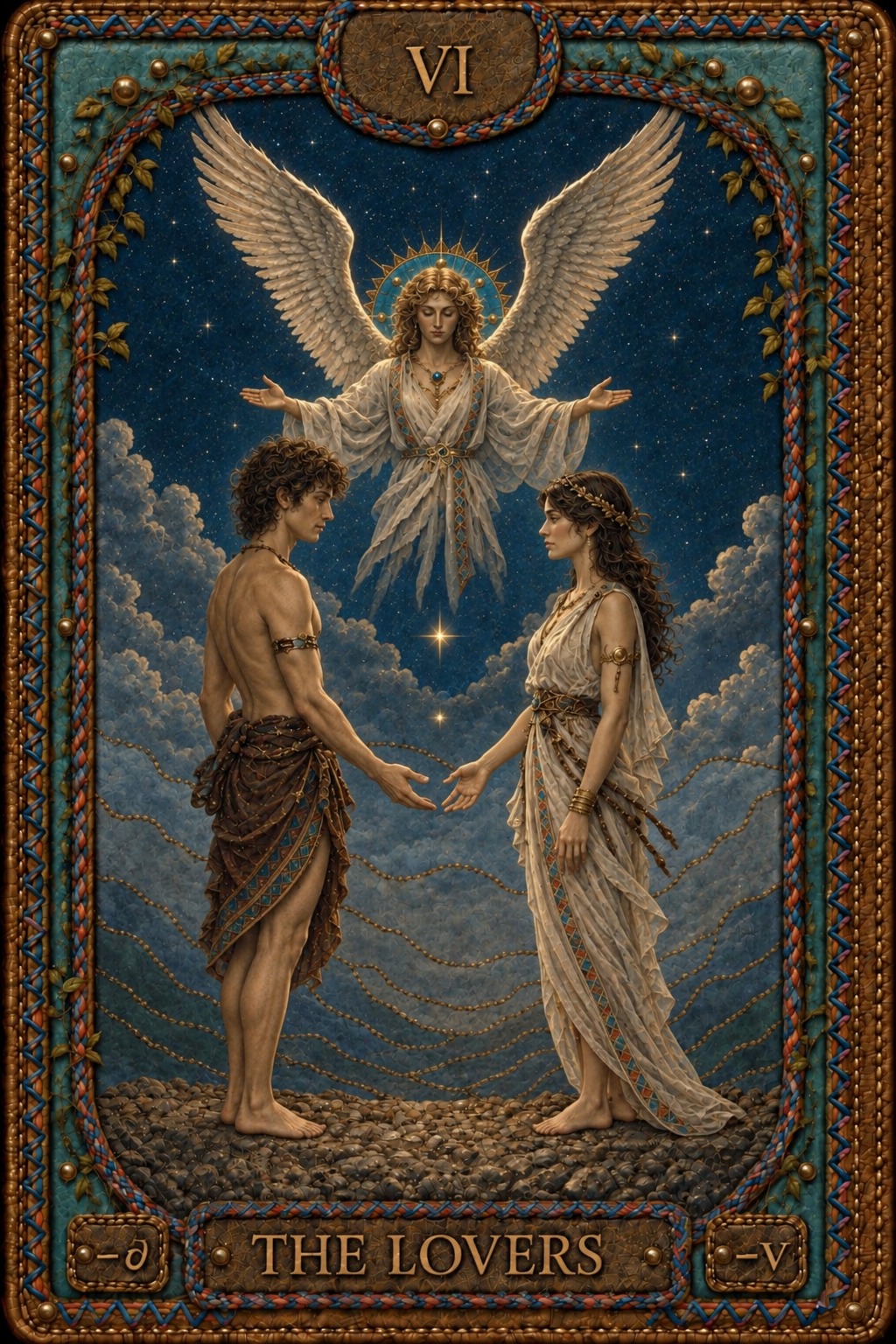
Marina neither brushes him off nor reassures him. She talks with him about where music is heading: what is passing away, earning a living from background playing, copying scores, some studio work; what remains, a concert as a meeting of living people, playing together, someone who hears another person; and where someone learning now belongs within this.
The conversation gives no ready-made answer. But afterward the pupil has something he lacked: he can hear where the whole he intends to join is heading. Next he will choose for himself, and that belongs to Sagittarius.
All conversations of this kind work this way: where the country is heading, where education is going, what will happen to a profession. It is easy to call them chatter. Yet the whole and its movement live in these words between people, and people later build their own roads from them.
Neptune in Gemini — the movement of the larger whole we are part of, in our words.
Neptune’s work here is to keep the living movement of the larger whole present in conversation, rather than opinions about it: what is really passing away, what really remains, where everything is heading. In Sagittarius, you choose your own course within this movement. In Gemini, the movement itself sounds in what we talk about.
Further reading: Neptune in Gemini: Where Is the World We Speak of Going?: the pupil’s conversation with Marina, the staffroom, the kitchen, and the question “Quo vadis?”
Neptune in Cancer
Marina is deeply involved in her city’s musical life. Her school puts on performances, supports beginning musicians, and brings teachers and listeners together. People notice and invite her to run for a seat on the city council, joining those who help make decisions about the city’s life.
At first, the offer seems a natural continuation of her work. But Marina starts asking what she would actually have to do, which issues she would deal with, and how much time this new commitment would take.
Music, it turns out, would be only a small part of the job. Other city matters would take up much of her time. Marina pictures her changed week: she would have to hand over lessons, attend fewer rehearsals, and once again postpone the teachers’ joint work.
She then considers the group she has been invited to join alongside the larger life she already belongs to. Through the school, her students, and concerts, Marina takes part in the life of music. That life is larger than her own work or even a single city: works pass through generations, people learn to listen and perform, and hand their experience on.
If she joins this new “we,” can she continue that involvement?
In our story, Marina realizes that the proposed role would take her too far from music. She declines to run and continues to take part in city life through the school and musical gatherings.
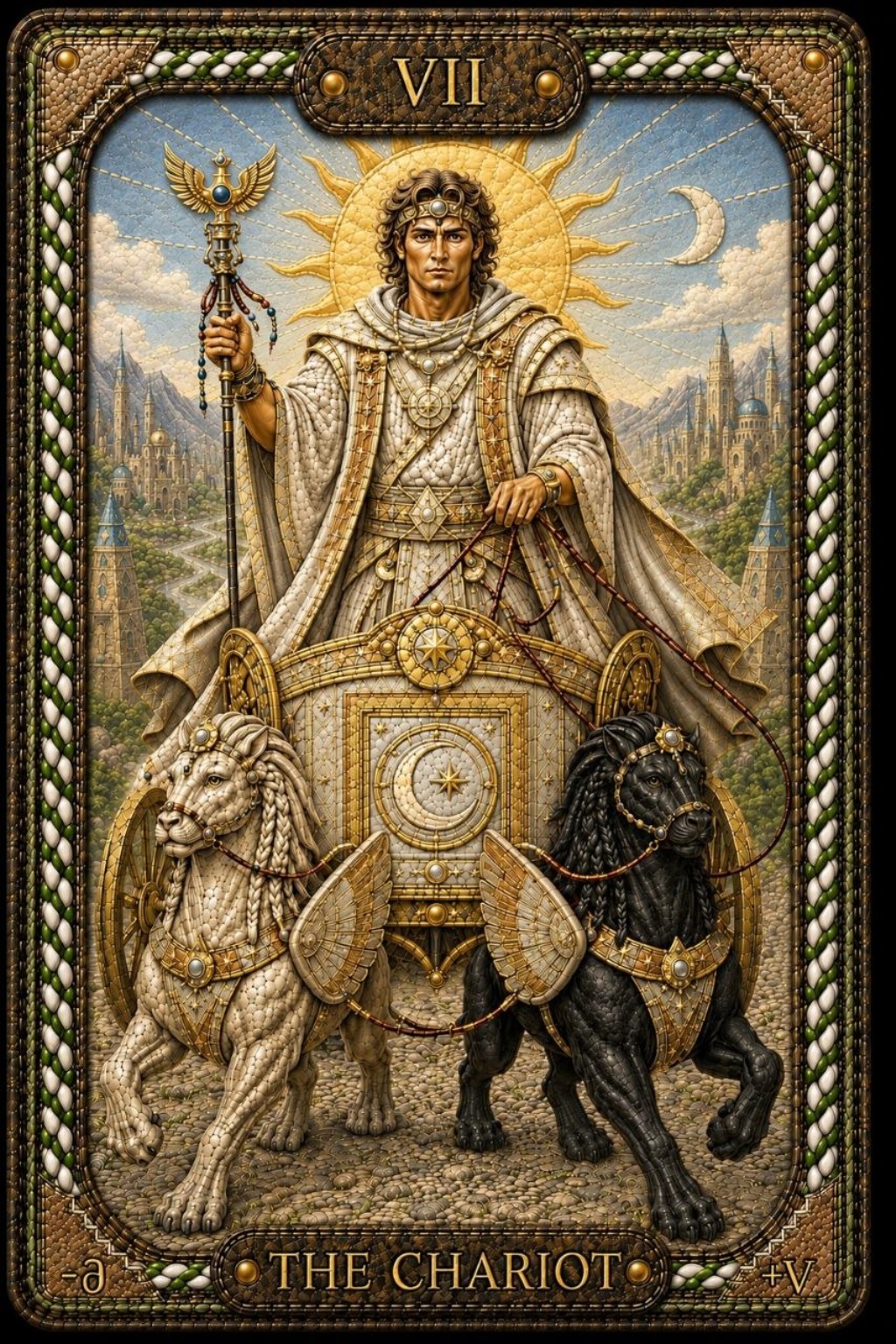
Cancer brings belonging into view: which “we” a person joins, where they become one of the group. Neptune’s work concerns the larger whole that comes to life through that belonging. Marina looks into what the offer really involves and how it connects with her participation in music.
Under different circumstances, she might have accepted: the new community might have helped her develop the city’s musical life. Here, the answer is different. Joining this group would not let her sustain the connection with the larger world she wants to be part of.
This also helps explain the feeling “this isn’t for me” in a group of people. They may treat you well, yet what comes to life in their company is something else. You need to understand what larger whole brings them together and how it relates to the worlds you belong to yourself.
Neptune in Cancer — the life of the larger whole we are part of, within our “we”.
Through the school and its concerts, music lives in Marina’s life; through the “we” of elected representatives, another life of the town would pass. The strength of a “we” depends on whether the whole we belong to is included in it: the school is a “we” because there is musical life and we develop it. In Capricorn, that same whole gains a structure, places, hours, money; in Cancer, a larger life passes through our relationships. Neptune’s work is to look at what people actually do, find what is realized in their connection, and sustain relationships through which the larger life they seek can continue. The community’s name alone does not show this.
Further reading: “Neptune in Cancer: Do We Need Us?”, on Cristóbal Josevich Junta’s question, Marina’s choice, and the feeling of being out of place.
Neptune in Leo
Marina’s music school runs into trouble with its premises. The landlord proposes a rent increase and restrictions on evening lessons. Marina gathers the figures, prepares to negotiate, and acts as the school’s head.

In front of her are a contract and figures. Yet she is a school leader because she is a musician. Through this unfamiliar work, musical life gains representation.
The cheaper premises are unsuitable: lessons next door would drown each other out. Marina pictures a child trying to hear the quiet ending of a melody and keeps looking for different terms. Her belonging to music enters the leader’s concrete decisions.
A role is a sustained way of being present and acting in an undertaking. Neptune lets us trace what whole is embodied through that performance. For an undercover agent, the outward role and the allegiance actually served can even appear to be opposites.
Jupiter’s question concerns how involved the person is, how much of the work they take upon themselves. A large personal investment does not yet tell us what gains life through it. At rehearsal, Marina can let the students lead the musical dialogue: take less of it upon herself and express the life of music more fully through her teaching role.
Leo connects with Aquarius as the other side of the same axis. Through Marina’s role, music gains personal representation; through the school’s shared rules, it gains arrangements that different participants can use. Neither personal dedication nor strict rules, on their own, explain this connection with the whole.
Neptune in Leo — embodying in your role the larger whole you are part of.
Neptune’s work here is to give music representation through the leader’s negotiations, calculations, and decisions: Marina translates the needs of students and teachers into the terms she works to secure.
Further reading: “Neptune in Leo: What Larger Whole Do I Embody?”: an undercover agent, Marina negotiating and rehearsing, and one shared scene for the Leo–Aquarius axis.
Neptune in Virgo
Marina’s friend Anton helps the school put on a concert. He arranges chairs, welcomes guests, prepares the stage. His friendship with Marina matters to him. Music itself gives his life very little so far.
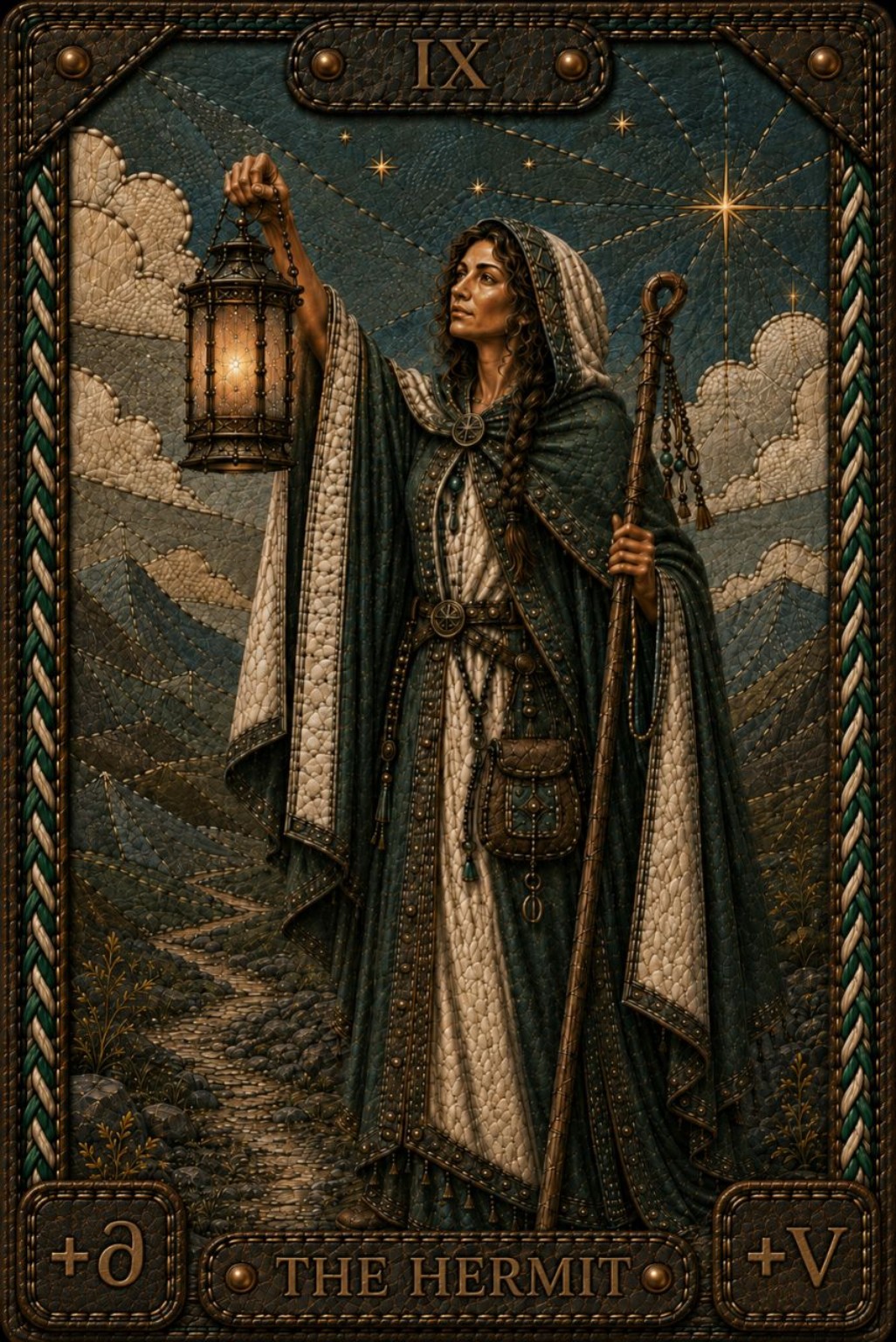
At rehearsal, he suddenly hears how one pause changes a melody. He wants to compare the two performances. Marina lets him hear what comes next and sends him the recording after the concert.
Anton returns to the piece at home. Later, he comes to listen even when Marina is busy elsewhere and the school needs no helpers. One particular rehearsal has opened up a world that now matters in its own right. He came for a friend and stayed for the music.
Virgo singles out a particular experience in which someone finds their own interest. Jupiter lets us ask how absorbing the experience is and how readily we can turn away from it. Neptune reveals another connection: through the particular, the whole itself enters life as something valuable.
The word “itself” matters. Anton could have helped with concerts for years while valuing friendship, company, or working with sound, but not music. His participation would have been real; what mattered to him in it would simply have been something else.
This is how Virgo connects with Pisces. In Pisces, we see Anton’s participation in, and contribution to, the life of music: he helps make a concert happen. In Virgo, we see the value of music itself in his life. Anton was already taking part in concerts out of friendship with Marina; later, music became dear to him in its own right.
Neptune in Virgo — the value that the larger whole you are part of holds in your own life.
Marina notices Anton’s interest in a single phrase, lets him hear what follows, and sends him a recording. Through this concrete work, music becomes more than a reason to see a friend: it gains a place in his life in its own right.
Further reading: “Neptune in Virgo: the value of something larger in your life”: Anton and Marina, Julia Child, The Secret Garden, and Billy Elliot.
Neptune in Libra
Marina’s student is preparing to perform with another pianist. They are playing a duet at one piano: in one passage, the first plays the melody while the second provides the accompaniment. Separately, both know their parts. Together, they start arguing: “You’re drowning me out.” “If I play any quieter, no one will hear me at all.”
They try taking turns giving way. But the music becomes timid and loses its momentum. Each is still concerned above all with whether there is enough room for their own part.
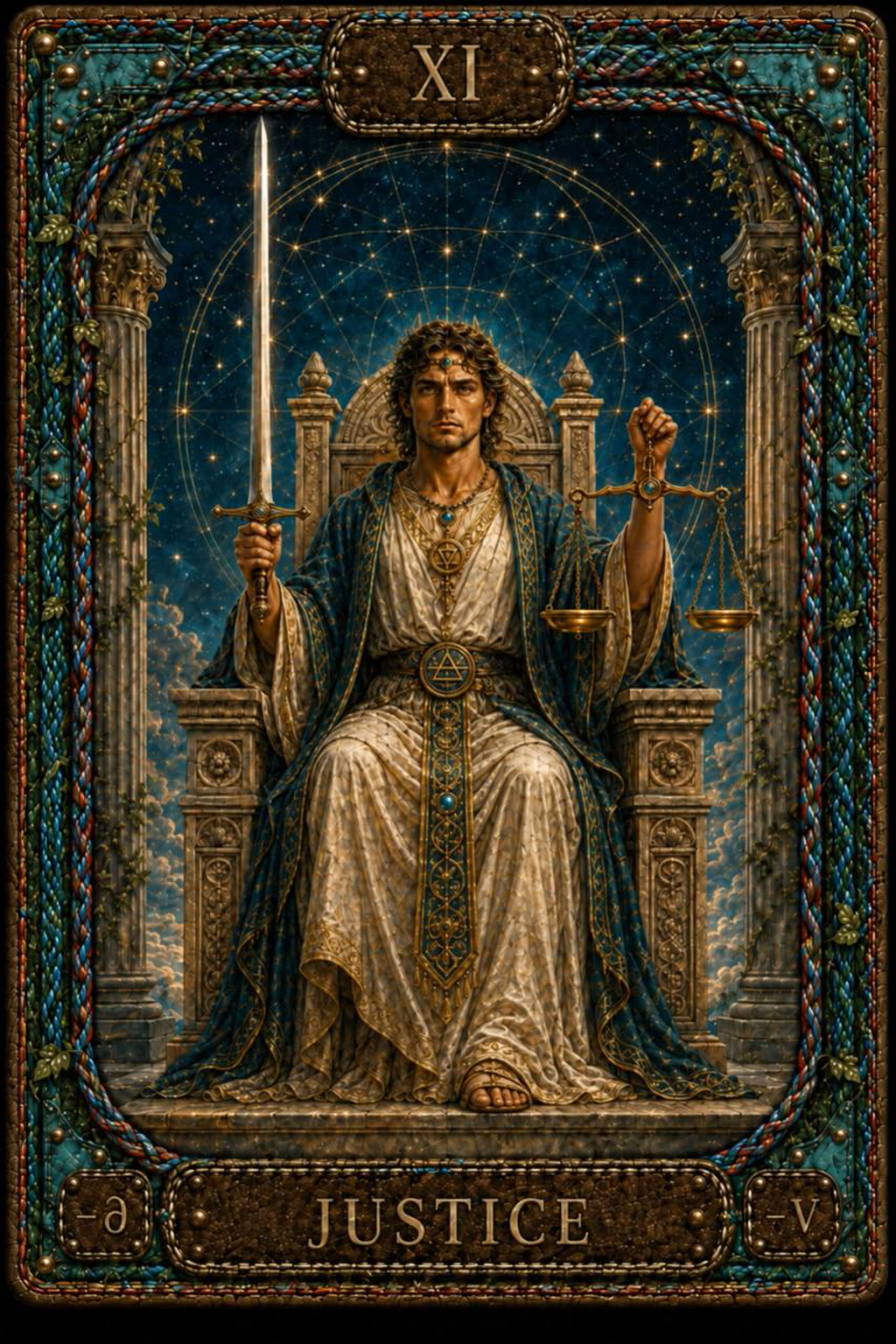
Marina stops them: “You’re both playing as part of one composition.” She asks them to try the passage again, listening to how it sounds as a whole. Where is the musical idea? What helps it develop? When does the accompaniment create tension, and when does the movement pass to the other player?
Gradually, the musicians begin to find the balance between their parts. Here, the melody needs to come forward. Here, the accompaniment needs to be more distinct to prepare the next turn. Here, one player needs to finish a phrase so the other can pick it up. The parts have different jobs, and a shared sense of proportion lets those differences contribute to one sound.
Marina works with them in this search: she asks them to repeat a few measures, draws attention to a transition, suggests a different balance. The musicians learn to hear what happens to the piece when each changes their playing. The composition becomes the real basis for their agreement.
Libra is about different participants finding a common measure by which to relate to one another. Neptune’s work helps a whole come to life through the way they agree and act together. Knowing that they are playing the same piece is not enough: they have to develop their playing together so that the piece can truly be heard through both parts.
Agreement therefore does not require equal volume or constant concessions. Each keeps their own part. They find a way to coordinate what they do as participants in one composition.
They may be finding this common measure for the first time. There need not have been an earlier agreement. Neptune helps what they share enter a new agreement and develop through it.
Neptune in Libra — the common measure between us within the larger whole we are part of.
People agree and say “yes, we’ll come” because they value the same whole as the person who took the step. Some already belong to it; others want to enter. That whole lies within their common measure as a value. Remove it, and bargaining remains. In Aries, the whole stands behind the person taking the step; in Libra, it lies between people. The question here is: “What whole are we part of as we work out our agreement?”
Further reading: “Neptune in Libra: finding a common measure”, on playing together, a courtyard as a place to rest, and political agreements.
Neptune in Scorpio
A teacher at Marina’s school is preparing to retire. She has a remarkable gift for getting children excited about music. Even with a beginner, she finds a few notes the child can manage, sits down to play alongside them, and together they make a piece of music. The child hears that their part matters and asks to do it again.
Marina knows she can find a new employee and keep the lessons on the schedule. But will the children still want to play?
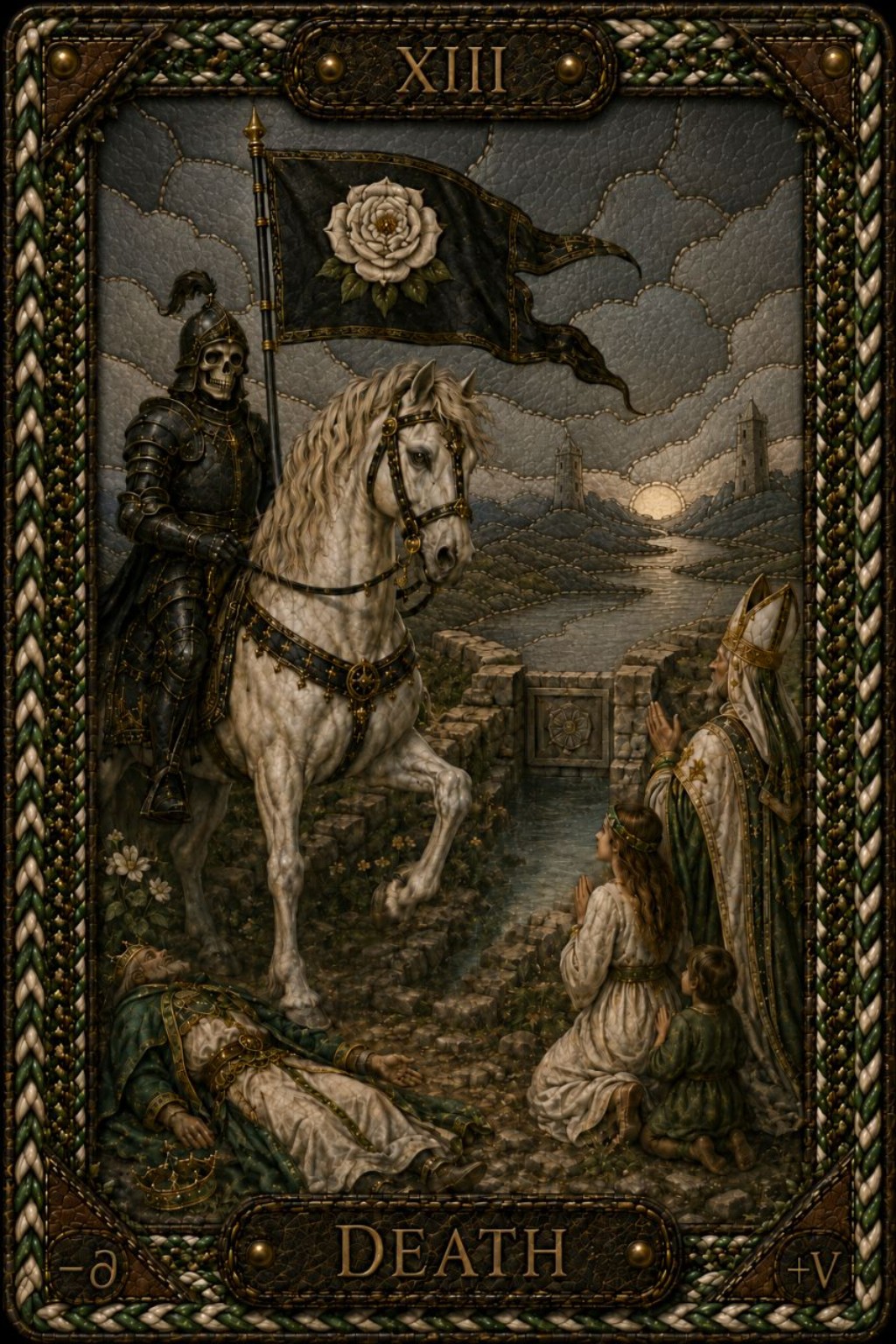
Six months before her colleague leaves, Marina brings in a new teacher and sets aside paid time for them to work together in lessons. She wants that gift for inspiring children to be passed on: how to find the right melody, bring a beginner into an ensemble, and help a child hear the music behind a difficult exercise.
At first, the new teacher listens to lessons. Then he tries leading them himself. With his experienced colleague, he discusses what caught the child’s interest, where it faded, and what might be worth trying next. Marina arranges these meetings and invites the other teachers to share what they have discovered.
The school’s everyday work gradually changes. Teachers attend one another’s lessons more often, choose pieces together, and prepare performances jointly.
The teacher retires. Her successor teaches differently and chooses different music. But the children still linger at their instruments, bring in favorite tunes, and ask about the next concert.
This is what Marina wanted to keep alive. For her, music lives in this enthusiasm: a child learns to listen, play, and share what they have heard. Marina has taken care in advance that one person’s departure will not bring these encounters with music to an end.
Neptune’s work here lies in how she helps pass on and develop the ability to inspire. Teachers and lessons change, while children continue to discover music.
Neptune in Scorpio — sustaining what allows something larger to live through the work at hand.
The larger whole here is music. The undertaking is Marina’s school. What lets music live within it is the teacher’s ability to make a child want to play. The lessons can stay on the timetable, and someone else can cover the hours. Marina is concerned with something else: making sure this ability does not leave the school when the person does.
Jupiter in the same sign lets us strengthen or weaken the degree to which a form fulfils its purpose: lessons can remain on the timetable and cease to bring children into music. Neptune is the work on what lets music live in the school: Marina passes on the ability to draw children in, rather than simply finding a new teacher. In Pisces, we examine the person’s own participation and contribution; in Scorpio, how to sustain what allows that participation to continue within the school.
Further reading: “Neptune in Scorpio: what we want to carry forward”: passing on the ability to inspire a love of music, Erickson’s story, and the wholeness of a person.
Neptune in Sagittarius
In the next four sections, we look at the person within the larger whole they participate in. For Marina, that whole is musical life—wider than one lesson, one school, or its familiar rules. A person finds a path within it, occupies a particular place, acts according to shared rules, and contributes. Through these actions, musical life does more than continue: something can emerge in it that has never existed before.
New students at the music school are shy about playing together. Each looks at their own sheet music and waits for instructions.
Marina asks one to play a short musical question and the other to invent an answer using a few familiar notes. The first hears the answer and changes the next question.
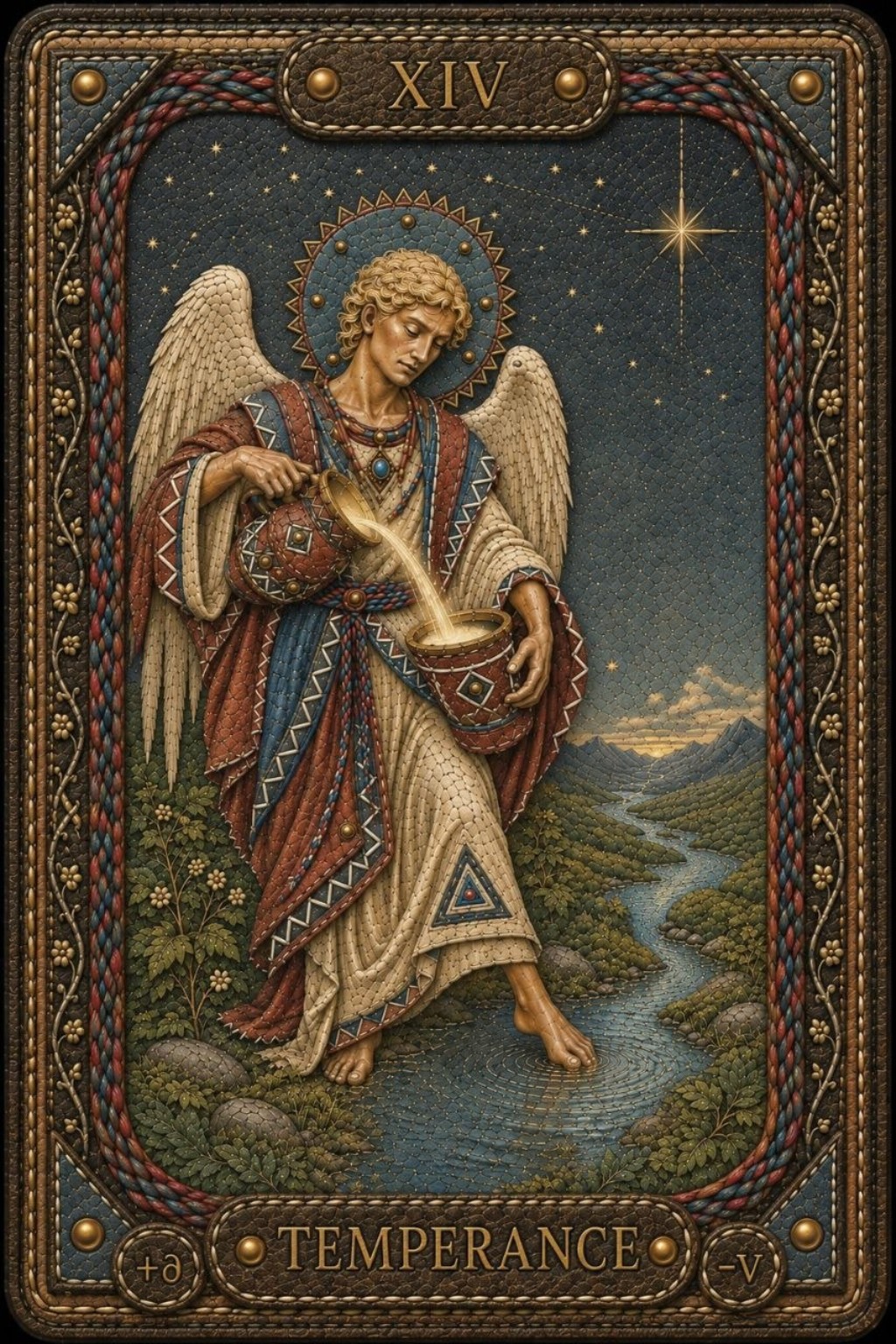
Gradually, they start listening to each other and keep the game going themselves. Marina has supplied what the shared lesson was missing: a reason to address a partner through music and wait for a response.
Now she only needs to help occasionally. If one gets carried away and plays without stopping, she reminds them to leave room for an answer. If the other gets lost, she suggests repeating what they heard and changing the last note. As soon as the conversation starts flowing again, she lets the students carry on themselves.
Marina does not know in advance what music they will invent. What matters to her is that they begin to play together, hearing one another and wanting to respond.
They could have started another way: with a rhythm, a familiar melody, or a simple accompaniment. She chose what helped these particular students enter a musical conversation.
The whole here is a shared musical life in which people address one another through sounds and want to respond. Marina has her own path within this flow: she wants her students to play together and chooses a way toward it—today, a question and answer made from three notes. Neptune, the secondary ruler of Sagittarius, is visible in how her choice gives shared music a concrete way to continue: she finds a way for them to address one another that is possible now, and supports their first responses; then the students carry on themselves.
Jupiter, the principal ruler, lets us separately consider the scope of available participation: from exchanging three notes to more complex playing with other instruments. Opportunities can expand while people still fail to listen to one another. Marina works specifically to bring their shared music to life.
The sounds and answers available to them become music that no one has written in advance. Just as the pieces of a mosaic can make many different beautiful pictures, this game can take many different paths.
Neptune in Sagittarius — choosing your own course within the movement of the larger whole you are part of.
Marina knows where she wants to get to and chooses the road according to the circumstances: today, a question and answer of three notes; with another group, it would be different. The road is adjusted along the way, the goal remains. Choosing this way requires hearing where the whole you belong to is heading. That is learned in conversation, which belongs to Gemini.
Further reading: “Neptune in Sagittarius: Your Own Course in the Flow”: shared musical life, different paths to a meeting, and the roles of Jupiter and Neptune.
Neptune in Capricorn
Marina hires an executive director for her music school. He knows how to manage costs and organize work. Looking at the income, he notices that paid individual lessons are more profitable than rehearsals for the student ensemble. Rehearsals take up a room and a teacher’s time, with no separate fee coming in.
He cuts rehearsals and uses the freed hours for individual lessons. Then he suggests dropping the free performances at the city library: preparing them costs money and brings in no direct revenue.

Some financial figures improve. But students stop playing together regularly, teachers have nowhere to carry out joint projects, and the city has fewer occasions for musicians and listeners to meet. The school still exists, but its part in musical life is shrinking.
Marina returns to the question of why she founded the school, bought instruments, and brought teachers together. She wanted music to flourish in the city: for performers and ensembles to emerge, for people to come and listen, for them to encounter works of music.
She explains to the director: “We’re here for music in this city. The school needs to earn money in a way that makes that musical life possible.”
They then reconsider the school’s tasks and the use of its resources. They work out how to pay the ensemble leader, which hours to keep for rehearsals, and what share of income to put toward public performances. The director continues to keep the school financially stable, but its musical purpose now guides his decisions.
Here, Marina is the founder. Her position in the school is a link connecting it with the musical life of the town: it was for that connection that she brought teachers together, bought instruments, and found premises. She has entrusted day-to-day management to the director. In this story, her responsibility as founder is to keep financial tasks connected to the school’s musical purpose and make that connection part of the director’s remit.
The director got all the sums right, for a business. Marina does not dispute the figures; she disputes what we belong to: we are part of music, not business. Once this is said, the school’s structure recalculates itself. A library concert with an empty cash box is the reason for the cash box, not a loss. Merely reminding people about music is not enough. Its presence must be restored to the tasks, the allocation of time and money, the work of teachers and management. That is the responsibility of Marina’s position: not managing in place of the director, but answering for what the school exists to do.
In Leo, Marina herself took on the role of leader, representing music. In Capricorn, the question is not how she performs the role, but what her position is responsible for: the school’s place in the larger life it belongs to. This work belongs to the founder’s position and will not disappear if someone else occupies it. The executive director can still do the managing.
Neptune in Capricorn — our values in the structure of the larger whole we are part of.
In Cancer, the whole that brought us together lives within our “we”. In Capricorn, what we value in that whole finds a place in the structure of the work: positions, hours, money, responsibility. One determines the other. Until we say what brought us together, the structure counts someone else’s values.
Further reading: “Neptune in Capricorn: Our Values in the Structure of Work”: whose security, Marina’s position as founder, and what a person is given resources to do in their particular place.
Neptune in Aquarius
In Marina’s imagined school, the standard programme is designed for children who start early. A fourteen-year-old boy arrives who already picks out melodies by ear. Then an adult woman comes who has long dreamed of learning to play. The existing admissions system has no place for them.
Musical life is wider than a single educational path. Marina looks into what other forms of learning the school is authorised and able to provide. For our scene, let us suppose that it can open separate programmes for teenage and adult beginners.
With the teachers, Marina develops the content, pace of lessons, admissions conditions, and arrangements for playing together. The original programme continues; alongside it appears another way into music, available to more than one exceptional applicant.
Marina helps establish the school’s rules and works by them herself. They apply to others too: another teacher or a student can rely on them. Through this shared order, musical life gains a new expression. Here we can distinguish the letter and the spirit: what the provisions say, and the whole for which the rules make room.
Jupiter asks how fully a principle is actually followed. Declared obligation, actual adherence, and scope are different things. Neptune asks what whole acts through the principle. Stricter observance alone does not answer that question.
This is the other side of the Leo–Aquarius axis. Marina’s personal work in her teaching role and the shared rule “listen to the end before discussing” can express the same musical life. But attentiveness to an individual student cannot replace arrangements available to others, and observing those arrangements cannot replace how the teacher performs her role.
A connection with the whole does not guarantee a good outcome: rules can successfully reproduce dependence too. We need to see what they actually bring to life.
Neptune in Aquarius — your rules and how you live by them within the space of the larger whole you are part of.
Further reading: “Neptune in Aquarius: The Letter and Spirit of a Rule”: Marina, the saying about the Sabbath, protection for residents, 12 Angry Men, and one shared scene for both ends of the axis.
Neptune in Pisces
One of Marina’s students is learning a simple part in an ensemble. Alone, he finds the repeated notes strange. At the group rehearsal, he hears that his entrance supports another part, and that he then needs to wait for its reply.
Marina helps him hear what his playing does for the whole. He enters differently; the others respond. The piece is realised through him too. He has a real function within a musical life that is larger than one rehearsal.
A whole can include a person even before they understand this. The helper preparing a school concert out of friendship with Marina also performs a real function. He does not have to love music first.
This connects Pisces with Virgo and distinguishes it from Virgo. In Pisces, we become participants in the life of a whole. In Virgo, through a particular experience that interests us, the whole itself becomes valuable in our life. What matters to us in participating may still be something else—friendship, income, company.
Jupiter in Pisces asks: how strongly does the whole resonate within me? A few notes can stir a powerful response. Neptune asks something else: how do I participate, and what do I contribute? The strength of an experience does not by itself explain participation, nor does participation guarantee a powerful experience.
Participation is not always voluntary or conscious. You can discover that your familiar actions are already helping realise a whole you had never noticed.
Neptune in Pisces — your participation in, and contribution to, the life of the larger whole you are part of.
Further reading: “Neptune in Pisces: your participation and contribution”: Marina, participating for friendship’s sake, Apollo 13, The Hobbit, and The Truman Show.
Something larger needs our participation
Marina sits beside the student and asks him to play again. She hears that the melody is freer now, although its movement still breaks at one point. They look for what will help him get through it. Music lives in that attention, that attempt, and the student's response.
Elsewhere, Marina starts a school, helps two performers hear their shared composition, or restores rehearsals to the schedule. In every case, we can see what she actually does and what larger thing comes to life through it.
Sometimes this carries forward something that seemed lost. Sometimes it creates a participation that has never existed before. We do not have to suffer a loss to become absorbed for the first time, respond to another person, or begin shared work.
Neptune brings us back to this work: music needs someone to play and listen, relationships need tending, shared work needs concrete ways to continue. Through our participation, something larger enters life. We ourselves begin to take part in its life.
Where next
The twelve signs are covered in separate articles, linked as they come up in this text. These six pages gather everything together, each in its own way.
- Neptune: Eternal Contexts — all six axes at a glance: on behalf of which whole we live, and what happens to that whole on each axis.
- Neptune at a Glance — all twelve signs on one page: the formula, the question to ask yourself, the scene.
- Neptune: Questions and Answers — short answers to what people usually start with, a guide to the axes and a project check.
- Six Problems That Already Have a Plan — what psychology does about helplessness, burnout and the introject, and what the axes add to its plans.
- One Sign, Five Planets — the same situation seen by Neptune, Jupiter, Saturn, Uranus and Pluto.
- What Neptune Is Really About — what wholeness means and why knowledge has to be recognised rather than read.
The idea behind this article and Marina’s story come from Pavel Medvedev’s book Where Astrology Comes From.