Article · Neptune
Neptune in Cancer: Do We Need Us?
What larger whole is present in our “we”?
Pavel Medvedev · Published:
Do we need us?
In Arkady and Boris Strugatsky’s Monday Begins on Saturday, a huge poster bearing this question hangs in one of the laboratories of Cristóbal Josevich Junta, head of the Department of the Meaning of Life.
The question fits our discussion remarkably well. There is an “us”: a family, a circle of friends, a professional community, a group someone already belongs to or has been invited to join. But what finds a presence through this connection between people? What larger whole do they take part in this way?
In Cancer, we consider belonging, the possibility of saying “this is us.” Neptune’s work concerns the relationship between this belonging and a larger whole that is present in a person’s life and of which that person is a part.
Sometimes the proposed “we” allows that relationship to develop. Sometimes a person notices a mismatch and says, “This isn’t for me.”
Marina is invited to run for office
Marina is deeply involved in the musical life of her city. Her school organizes performances, teachers work with beginners, and students play together. People who rarely listened to live music before now come to the concerts.
Gradually, Marina becomes known beyond the school. One day she is invited to run for local office. Her work is visible; she knows how to bring people together and understands the city’s problems. Now she is being offered a place among those who help make decisions about its life.
At first this seems a natural continuation. She is already doing work for the community. A new affiliation might open up other possibilities for it.
But Marina looks beyond the appeal of the invitation. She meets the people inviting her and asks what she would have to do, which issues she would discuss, and how much time meetings and preparation would take.
It turns out that music would be only a small part of the work. The city’s needs are varied. She would be expected to participate in many matters that require learning and attention.
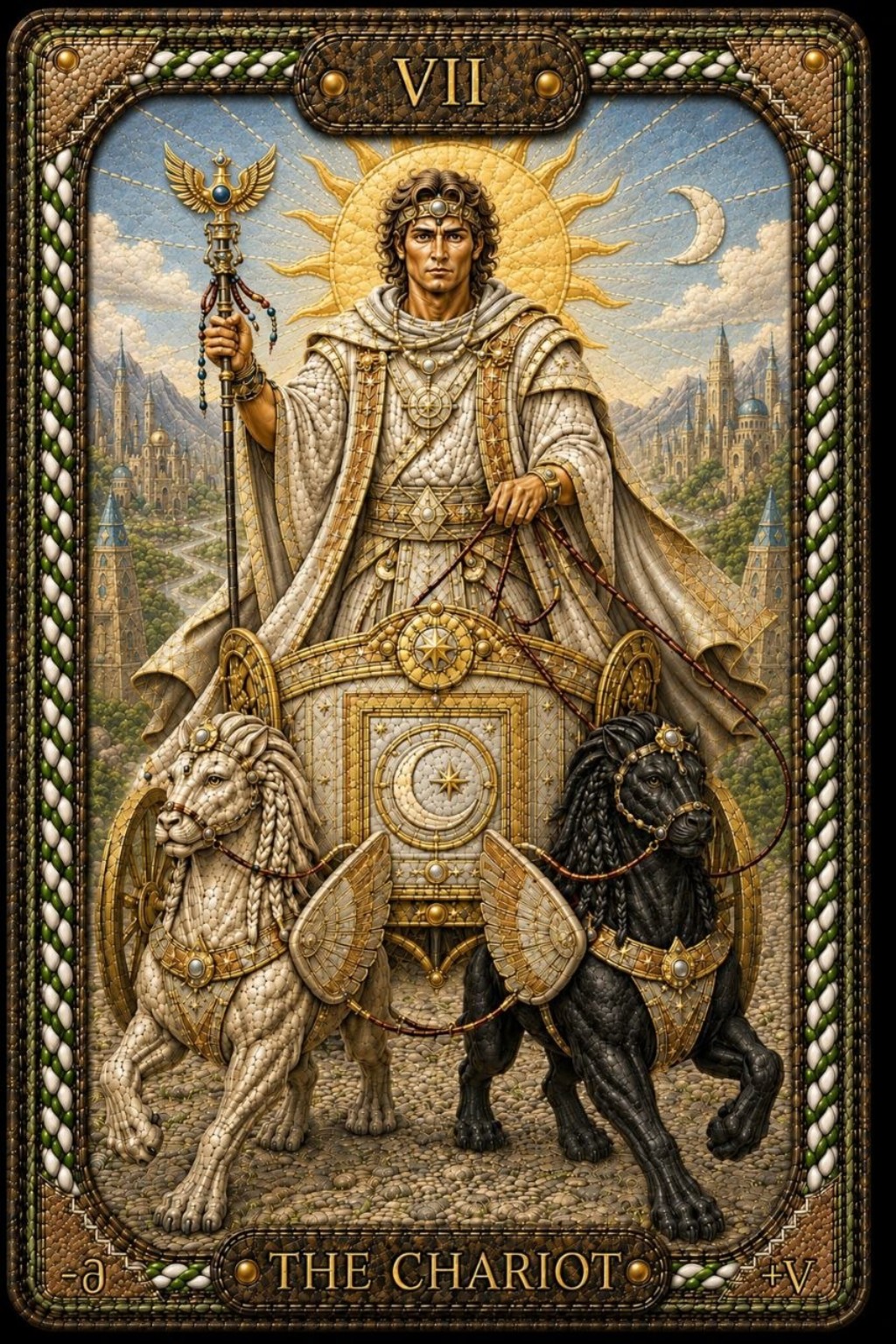
Where will I be if I join this “we”?
Marina imagines her week after accepting. She would need to hand lessons over to others. She would attend rehearsals less often. The collaboration between teachers she has long wanted to develop would have to wait again.
She returns to what she already participates in. Through lessons, the school, and concerts, she is present in the life of music. That life is much larger than a single city: works pass through generations of performers, people learn to listen, find their own sound, and pass experience on.
Music is present in Marina’s life, and through her work Marina participates in its continuation. What would happen to that relationship if she accepted this new affiliation?
In our story, the answer gradually becomes clear. The proposed public role would change her participation so much that music would lose a substantial share of her attention and work. Marina understands what this means for her and declines to run.
She continues to take part in city life through music. She may maintain working relationships with the new community, but chooses not to join it herself.
Under other conditions, her answer might have been yes. If joining allowed the very musical participation she wants to develop, she might accept. What a proposed “we” contains becomes clear through what its people actually do and how they relate to one another.
What Neptune does here
Cancer asks about belonging: which “we” am I joining, whom do I call my people, where do I feel part of a shared life?
Neptune works with the larger whole that comes to life through this connection. Marina explores how the new affiliation would relate to her participation in music. She listens to proposals, examines the future work, compares it with what she already does, and looks for a way to continue that relationship meaningfully.
In this example, the work leads to a refusal. Elsewhere, it could lead to accepting an invitation, changing the way one participates, or developing an existing community.
Saying “mine” or “not mine” is therefore only a beginning. We need to distinguish what comes alive through our involvement with one another, and invest in a relationship through which that larger whole can truly be present.
Junta’s question gains a continuation: do I need this “we” to participate in the whole of which I am a part?
Among musicians, yet out of place
Imagine another scene in Marina’s life. She meets former classmates. They all have ties to music, professional experience, familiar names, and shared memories.
But the conversation almost always returns to standing in musical circles. Who was invited to a prominent venue? Who met an influential person? Who got the good students? Whose name appeared in the program of a prestigious concert?
Marina describes an adult student who has played a short piece all the way through for the first time. She wants to share how they found the right sound. In response, people ask how much the student pays and why Marina spends so much time on someone who will never become a professional.
Suddenly she feels out of place. People know her, talk to her, and speak a professional language she understands. Yet the way music now lives in her own work barely enters their shared conversation.
The group is united mainly by participation in the world of careers, reputations, and professional connections. Marina looks for another kind of musical substance here and does not find it.
She tries to make room for it: invites colleagues to hear her students, suggests working through a piece together, attends their performances, and talks about what she heard. With some, this conversation develops. With others, the connection remains largely one of shared youth.
Gradually, Marina understands in what sense these people are still “her people,” and in what sense the “we” she hoped for is not there between them now.
“This isn’t for me” acquires a specific basis. Musical education and acquaintance do not by themselves mean that this group embodies the particular side of musical life in which Marina participates.
Two groups that walk in the woods
Another example takes this relationship beyond a profession.
Olga loves observing nature. She is learning to recognize birds by their calls, notices how the woods change through the year, photographs plants, and tries to understand why some grow on a damp woodland edge and others on a dry slope.
She joins a weekend walking group. These people love the woods too and walk a great deal. But for them the main thing is to cover a long route, keep up the pace, and improve their performance.
When Olga stops to listen to an unfamiliar bird, the others move ahead. At rest stops, they discuss distance, speed, and the difficulty of the next stretch. They help her, wait for her, and treat her well. Still, she feels this is not her group.
Later she joins a small birdwatching outing. People stand beside some thickets for a long time, compare what they heard, and discuss which birds they saw here last year. Olga shows them a photograph, and several people examine what she managed to catch in it.
In this group she recognizes her “we.” Their interaction brings in the larger world of observing and studying nature in which she already participates.
The first group also has a clear focus: physical challenge, endurance, and completing a route together. People can walk through the same woods and take part in different larger worlds.
Olga begins coming to the observation outings, shares her notes, learns from others, and brings what she has noticed herself. The belonging she has found develops through her work and attention.
“This is me, and those are them”
In such situations, a person distinguishes themselves from a group by the life that participation in it brings about.
They may be invited, respected, and considered a suitable member. But gradually they discover that joining this “we” would involve them in relationships and activities that express something else.
Sometimes the difference emerges within one profession. Sometimes the same outward interest hides different ways of participating in something larger. Sometimes a person changes while a familiar group continues to live by what united it before.
A sense of awkwardness does not itself settle the question. In an unfamiliar group, you may simply not have found your feet yet. In our examples, the answer becomes clearer when someone looks at what the members actually do, what they support in one another, and what shared life they enter through it.
“This isn’t for me” then stops being a vague rejection. The person can name the relationship they do not find here and the participation they want to continue.
What is larger than this one meeting
In a family, that larger whole may be the family line and the connection between generations. People keep in touch, tell children about relatives, preserve letters, and help distant family members get to know one another. Through a particular family’s “we,” a life that began before its current members becomes present and continues through them.
Among the students of one teacher, the larger whole may be a musical tradition. They meet, show their work, and discuss how they are developing the approach they learned. Their connection allows it to continue through different lives.
A person may participate in several such wholes. One group connects them to music, another to the study of nature, and their family to the history of generations. Each “we” has its own substance and need not contain the person’s entire life.
Neptune’s question helps distinguish and develop these connections. What are we bringing to life by supporting one another? What larger presence is there between us?
Belonging we invest in
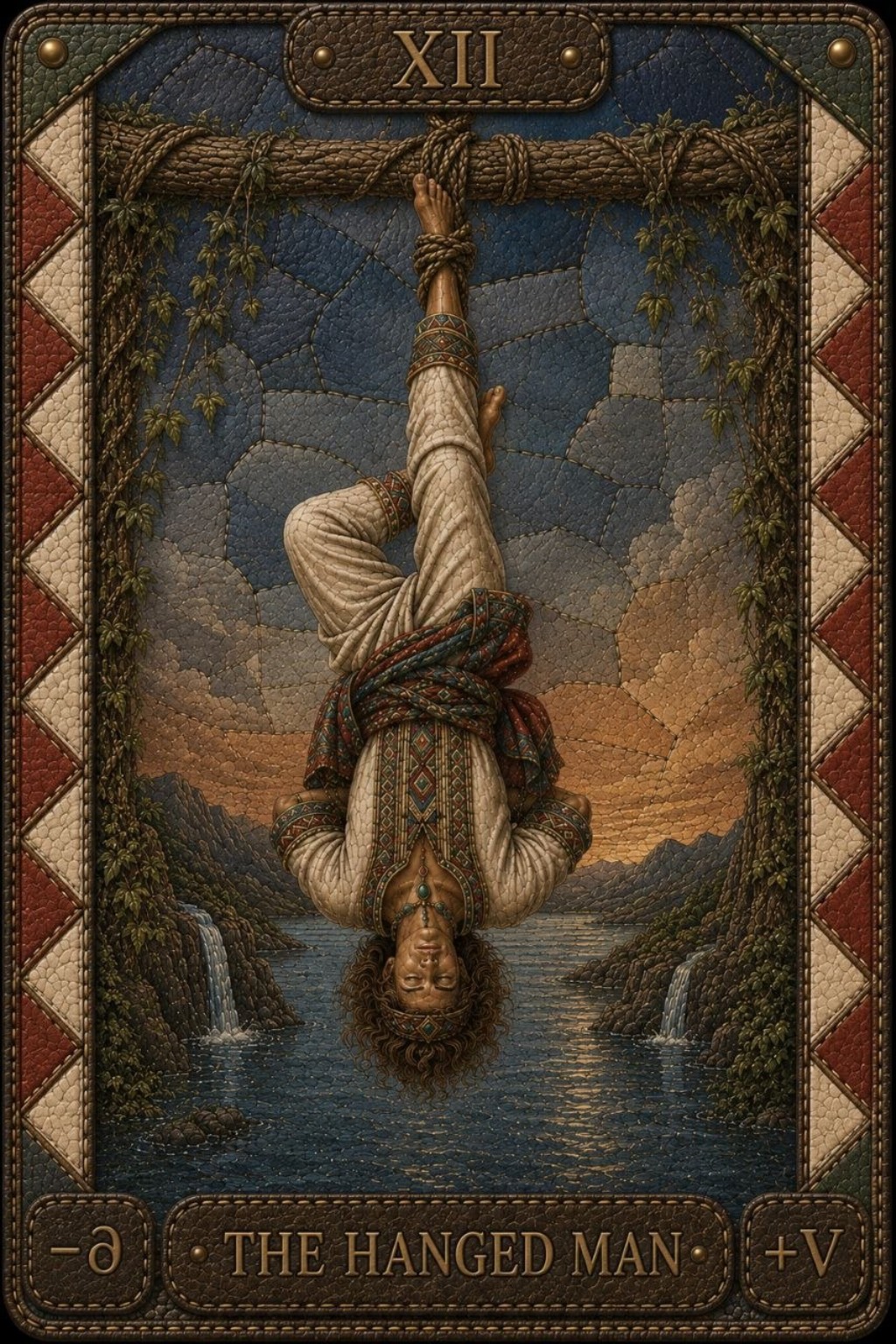
Neptunian work continues after a person has found their people.
Marina listens to colleagues, invites them into shared musical work, and sustains a conversation in which they can participate in music. Olga brings her observations and helps others see what she noticed. Relatives pass on stories and introduce new generations to one another.
Through these actions, a larger whole acquires life in a particular connection between people. “We” becomes a form of actual participation.
Declining a proposed affiliation can be just as meaningful. Marina discovered that, in this case, political office would take her away from the participation in music she wants to sustain. She therefore keeps the possibility of developing it through other relationships and activities.
In Capricorn, we asked about the purpose of the school as a distinct organization. In Cancer, attention turns to our belonging: which “we” we enter, and what whole is present in our lives through it.
Neptune in Cancer works with the connection between our “we” and the larger whole whose life we participate in through it.
Do we need us—and what larger life comes into being through this connection between us?