Article · Neptune
Neptune in Taurus: Mastery and Improvisation
When the hands know how, and the person hears what needs to be done
Pavel Medvedev · Published:
Sometimes you watch a master at work and marvel at the ease of it. Something turns out differently than expected, and they have already found the right response. A musician adjusts the sound. A cook tastes a sauce and adds one last pinch. An actor holds an unexpected pause, making the next line even stronger.
Years of work lie behind that ease. The person has repeated, made mistakes, corrected them, and learned to achieve what they intended. Gradually, their hands became responsive and their techniques familiar. Now they can use everything they have learned more freely.
At a certain point, improvisation becomes especially noticeable. A master hears, sees, and feels what today’s work requires, and makes decisions as they go. This brings a precision that is hard to write into instructions in advance. Everything seems done exactly as it should be, down to the smallest detail.
That is the kind of mastery we will explore through Neptune in Taurus.
Marina listens from the audience
Marina’s student has prepared a piece for a concert. He knows the notes and has practiced the difficult passages. He knows where to build the sound, where to play more softly, and where to press and release the pedal. In the classroom, the music sounds clear and connected.
At a rehearsal in a large hall, he sits down at a different piano and begins. He does everything in the familiar way, but soon stops. Sounds keep reflecting off the walls; previous chords are still audible when he plays the next ones. The melody disappears into the wash of sound.
He is bewildered. It all worked yesterday.

Marina asks him to play a few measures and stop. Together, they listen to how long the piano continues to ring. Then she suggests releasing the pedal sooner and playing the accompaniment more lightly.
He tries. Marina moves into the hall, listens from different seats, and returns to the piano. They repeat the passage until he begins to hear the difference himself. Here, the sounds still get in one another’s way. Here, the melody is clear, yet the music still flows.
Gradually, he understands what to do. In this hall, his hands and foot need to work a little differently for the audience to hear the piece he has prepared so carefully.
The hands know how; now he can listen
Marina could simply demonstrate the new movements and ask him to memorize them. But she wants him to learn to find a good sound for himself.
She asks whether the melody can be heard. She has him compare two versions. She suggests a small change and asks him to listen closely to the result. He learns to notice when it is enough and when he wants to adjust the sound a little more.
This is possible because of their earlier work. He no longer has to struggle to find every key. The techniques he has learned allow him to listen more closely to the music and respond to what is happening.
He becomes more confident with volume and pedaling. He feels where the accompaniment has grown heavy and where the melody needs more freedom. The decisions gradually stop being only Marina’s suggestions: he begins to make them himself.
Such playing is a pleasure to hear. You sense a person who knows what he is doing and is absorbed in what is taking shape.
Improvisation in pursuit of perfection
A score gives a performer a great deal. But it cannot describe in advance today’s piano, this hall and its acoustics, or every subtlety of touching a key.
This is where a master needs freedom. They hear how they want to play, have the skill to do it, and discover something they have not tried before in the course of playing.
The improvisation may be tiny: a slightly softer accompaniment, a differently held pause, another movement of the pedal. The written notes stay the same. The musician creates the way they sound today.
For the performer, this is part of striving for perfection. They want nothing to get in the music’s way: the melody must be heard, the crescendo must gather strength, and the silence after the last note must arrive at the right moment. Good decisions can feel so natural that listeners do not even notice them. They are simply absorbed in the piece.
However detailed the notation becomes, the performer still has work to do. A living person completes it—with their ear, attention, inspiration, and ability to improvise.
What Marina teaches
Meaningful playing begins in the first lessons. A child can listen, experiment, and seek expression even while their technique is still developing. Experience gives them more and more ways to play what they hear.
Marina develops both skill and independence. Today she helps her student make sense of a resonant hall. Tomorrow he will encounter another instrument, other musicians, or an unexpected audience response. The ability to notice what is happening and find his own solution will serve him well.
In Taurus, our concern is the ability to achieve something again. In Neptune’s work, we especially notice the feeling for music that tells a performer what they are seeking and helps them bring the performance to the sound they want.
Marina invests her attention and experience in this. Her student gradually becomes a musician with something of his own to do where the teacher’s instructions end.
A cook finishes a sauce
A cook is making a familiar tomato sauce. He has made it many times, knows the recipe, and remembers the taste: thick and fragrant, with a pleasant tang that works with the rest of the dish.
Today, though, the tomatoes are more watery than usual. He tastes the sauce: too thin, and the flavor still sharp. The cooking time in the recipe has passed, but it is too soon to serve.
He keeps cooking, lets the excess water evaporate, and tastes again. He adjusts the seasoning, taking care that one addition does not overwhelm another.
Finally he tastes it once more: there it is. The sauce his guests love.
In his hands, the recipe is alive. He knows the dish well enough to change his usual actions with confidence. He has a feeling for the taste he wants and finds it in today’s ingredients.
This kind of improvisation can be almost invisible. The cook himself would find it hard to say beforehand exactly how long it will take or what final adjustment it will need. At the table, though, people can immediately taste that the dish has been brought to completion.
An actor holds a pause
An actor is performing a familiar scene. The lines are learned, the movements rehearsed, the rhythm established. He has played the role many times.
Today the audience laughs longer than usual after one line. The next line explains why his character is about to leave. If he delivers it at the usual moment, it will disappear beneath the laughter.
He waits. Meanwhile, his character remains alive: watching the other person, weighing their reaction, preparing to answer. The pause becomes part of the conversation onstage.
When the laughter fades, the line lands precisely and reaches the audience. It all happens naturally. No one feels that the play has stopped while the actor waits for permission to continue.
To do this, he needs a feeling for the whole scene: the relationship between the characters, the meaning of the impending departure, and the audience’s attention. Then an unexpected delay can make the performance more expressive.
The play has come alive once again, helped by the skill with which the actor improvised within a familiar role.
A teacher finds another example
A teacher is giving a lesson on fractions. With the previous class, a pizza cut into equal slices worked well as an example. He kept the successful explanation and prepared similar exercises.
Today, several students are sure that one eighth is larger than one quarter: eight is more than four, after all. He repeats the explanation and sees that they still do not understand.
So he takes two identical sheets of paper. He divides one into four equal pieces and the other into eight. The students compare the pieces, placing them alongside each other. Now they can see: the more equal pieces you make from the same-sized sheet, the smaller each one is.
The teacher returns to the exercises. The children can now explain their answers and manage the next example.
Here, too, there is mastery and improvisation. The teacher notices where understanding has broken down and finds another explanation. He knows the subject well and can approach it from the side that will help these particular students.
A successful lesson can be taught again. But each time, the teacher needs to be present in the work: listening to answers, seeing difficulties, finding the right words.
A master’s feel for the work
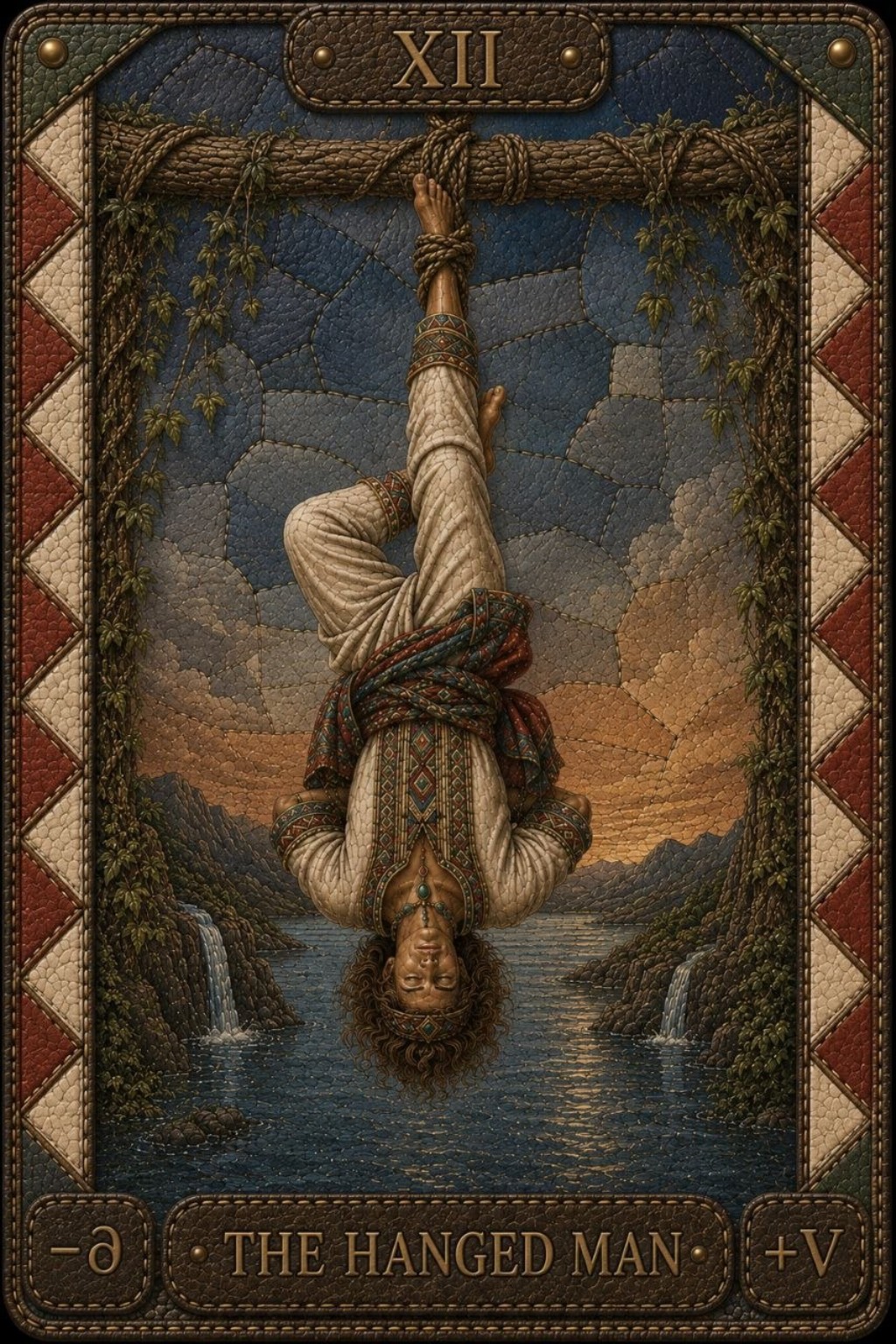
Marina hears how the piece should sound. The cook remembers the taste he wants. The actor feels the action of the scene. The teacher understands what the students need to learn.
This knowledge guides their work. They try, listen closely, change a movement or an explanation, and seek precision. Experience becomes freedom: they can act as circumstances require and still achieve what they intended.
There is inspiration in such mastery. A person is absorbed in their work and senses its possibilities far more finely than they could list beforehand. Sometimes the right response comes at once. Sometimes a long search lies behind the ease of execution.
Neptune in Taurus is clear in this pursuit of perfection—the desire to bring work to the point where everything sounds, feels, and turns out exactly as it should. Improvisation helps a master reach the place that ready-made instructions alone cannot take them.
Neptune in Taurus is inspired mastery: feeling how something should turn out and finding the right response while doing the work.